
2026-09-08 ·
Tree Root Intrusion In Clay Soil Around Monroe Homes
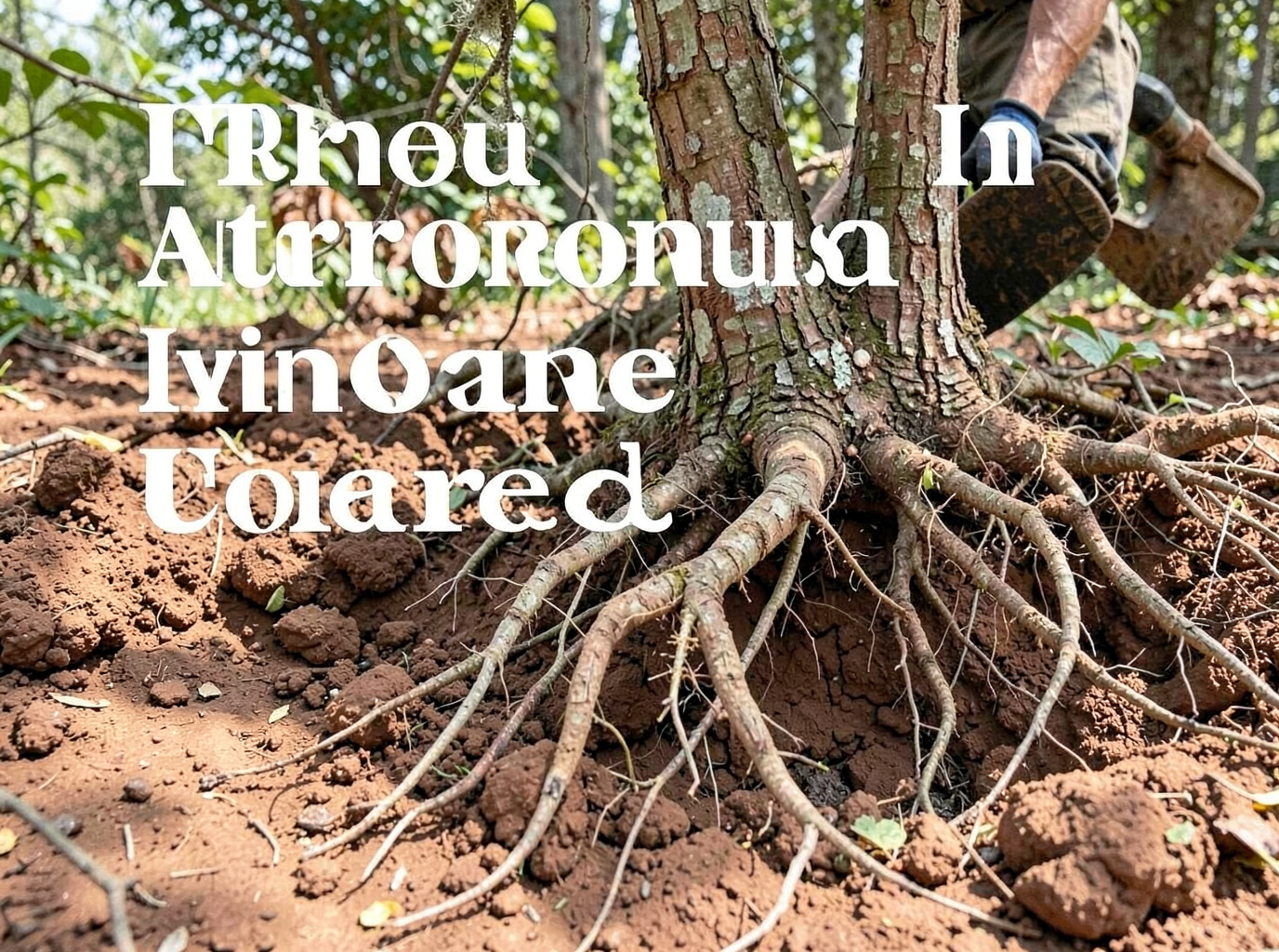
Tree root intrusion in clay soil around Monroe homes typically begins within 5–10 years of pipe installation when roots seek moisture during hot summers. In Ouachita Parish the heavy clay holds water near the surface while deeper layers dry out, sending roots toward any small leak or joint in older sewer lines. Homes in the Garden District and University Area often see this after 15–20 years because cast iron or clay pipes installed decades ago develop hairline cracks that release the faint scent and vapor roots detect.
Clay Soil and Local Tree Behavior in Ouachita Parish
Monroe’s humid subtropical climate keeps summers hot and soils alternately wet then cracked. The clay common throughout Ouachita Parish expands when saturated and shrinks when dry, stressing pipe joints and creating entry points. Roots from water oaks and pecans planted near homes in Downtown Monroe and near the Biedenharn Museum and Gardens follow these seasonal moisture gradients straight to the line. Once inside, roots grow quickly in the warm, nutrient-rich environment of a sewer pipe, forming dense mats that reduce flow within two to three growing seasons.
Homeowners notice slow drains first in lower fixtures, then gurgling at toilets after heavy rain when the clay swells and pushes roots deeper. The same soil conditions exist across West Monroe, so the pattern repeats in similar-age subdivisions on both sides of the river.
Visible Signs in Garden District and University Area Homes
Early detection matters because clay soil makes roots aggressive. Watch for toilets that back up after heavy summer storms, sinks that drain slowly on the same side of the house as large trees, or patches of unusually green grass along the sewer path. In the Garden District many 1940s–1960s homes have shallow laterals only 24–36 inches deep; roots reach them faster than in deeper modern installations.
A sudden increase in fruit flies or sewer odor near foundation plantings also signals intrusion. These signs appear earlier in the University Area where mature trees line streets and lots are smaller, forcing roots to compete for limited moisture.
How Roots Enter and Spread Through Clay Pipes
Clay and cast iron joints separate slightly each time the soil shrinks in late summer. A gap as small as 1/16 inch allows a root hair to enter. Once inside, the root absorbs water and nutrients, thickening until it fills the pipe. In Monroe’s hot summers the process accelerates because trees lose more moisture through leaves and pull harder from the ground. After three to five years a single root can create a complete blockage that only hydro jetting or mechanical cutting can clear.
Older neighborhoods near the Monroe Civic Center show this pattern repeatedly because many lines were installed before modern joint seals became standard.
Practical Steps for Monroe Homeowners
Schedule a Sewer Camera Inspection when slow drains or gurgling appear. The camera reveals root location and pipe condition so the right fix can be chosen. For active intrusion, Tree Root Removal cuts the roots and applies a root inhibitor that slows regrowth for 12–18 months. In severe cases the line may need replacement with PVC or lined pipe that resists future intrusion.